






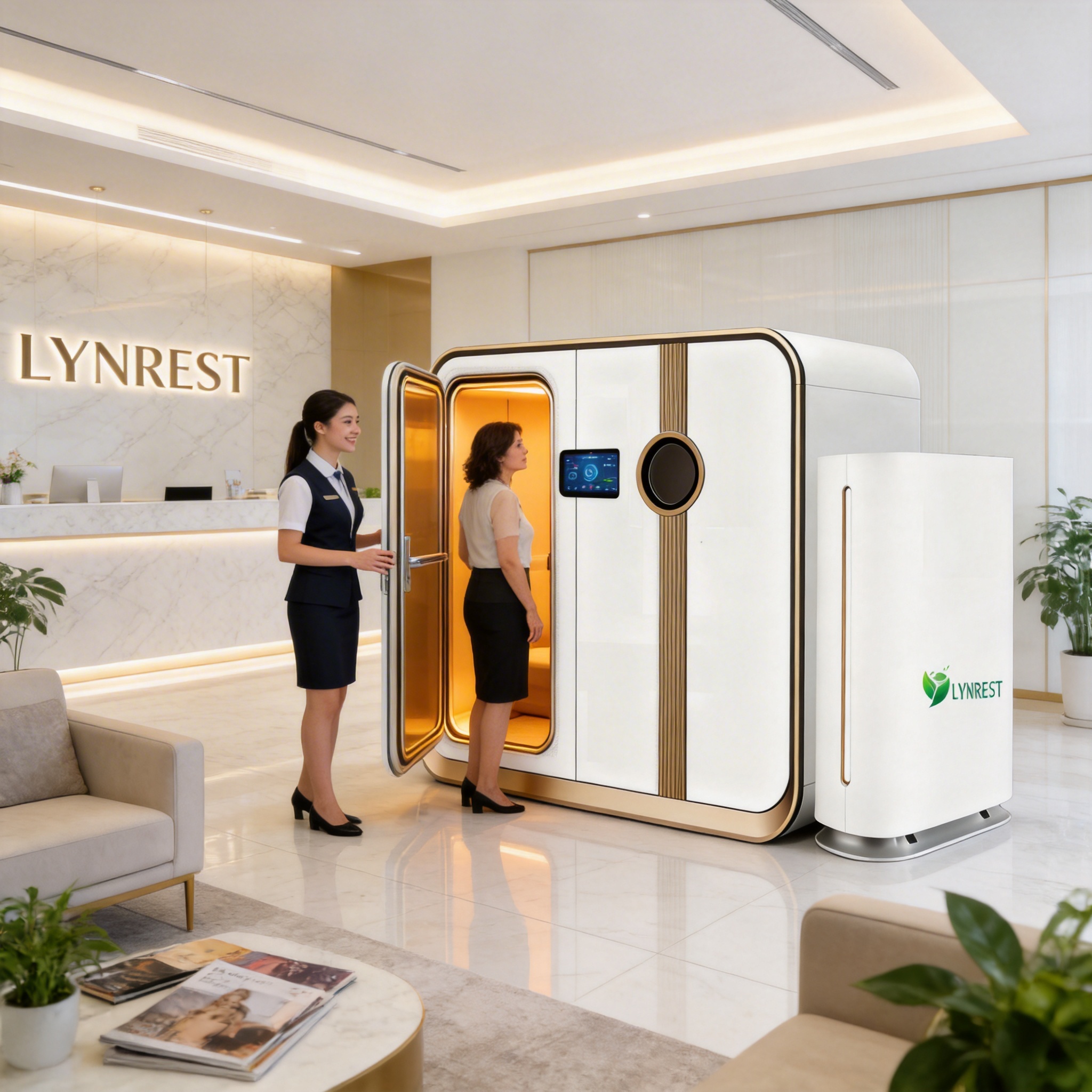
The Science of Healing: Understanding the Effects of Micro Hyperbaric Oxygen Therapy
In the ever-evolving landscape of health and wellness, few therapies have garnered as much attention from biohackers, athletes, and medical practitioners as micro hyperbaric oxygen therapy (mHBOT). While the clinical world has long used high-pressure hyperbaric chambers to treat severe conditions like decompression sickness, the rise of "mild" or "micro" chambers has brought this technology into the mainstream. But what actually happens inside these pressurized vessels? What are the tangible effects on the human body?
Operating at lower pressures (typically between 1.3 and 1.5 atmospheres absolute, or ATA) than their medical-grade counterparts, micro hyperbaric oxygen chambers offer a unique physiological experience. They do not merely subject the user to more air; they leverage the fundamental laws of physics to create a cascade of biological effects that can promote healing, enhance performance, and support overall wellness.
The Foundational Principle: Hyperoxia and Henry's Law
To understand the effects of mHBOT, one must first understand the mechanism. Under normal conditions at sea level (1 ATA), the air we breathe is about 21% oxygen. When a person enters a micro chamber, the pressure is gently increased. This increased pressure allows the lungs to take in a higher concentration of oxygen (often up to 35% or more, depending on the chamber's configuration).
This is where Henry's Law comes into play. This physical law states that the amount of gas dissolved in a liquid is proportional to its partial pressure. By increasing the atmospheric pressure, the body is forced to dissolve significantly more oxygen into the bloodstream. The blood plasma, which usually carries a minimal amount of oxygen compared to hemoglobin, becomes saturated with the molecule. This state, known as hyperoxia, is the catalyst for all the therapeutic effects that follow.
Effect 1: Accelerated Tissue Repair and Reduced Inflammation
The most well-documented effect of hyperbaric therapy is its impact on wound healing and inflammation. When oxygen levels in the blood plasma spike, that oxygen-rich blood circulates to every corner of the body, including areas with damaged tissues or poor circulation.
- Stem Cell Mobilization: Research suggests that intermittent exposure to hyperoxia stimulates the release of stem cells (specifically endothelial progenitor cells) from the bone marrow. These cells travel to sites of injury to promote repair and regenerate blood vessels, a process known as angiogenesis.
- Swelling Reduction: Inflammation is often a result of hypoxia (lack of oxygen) in injured tissues. By flooding the area with oxygen, mHBOT helps constrict blood vessels (vasoconstriction) in a way that reduces swelling without cutting off blood flow, effectively flushing out inflammatory markers.
- Fibroblast Activation: Oxygen is a key driver for fibroblasts—the cells responsible for producing collagen and connective tissue. For athletes recovering from muscle strains or individuals healing from wounds, this effect translates directly to faster repair of structural damage.
Effect 2: Neurological Support and Cognitive Enhancement
One of the most exciting frontiers for mHBOT is its application in brain health. The brain consumes a disproportionate amount of the body's oxygen, and even mild hypoxia can impair its function.
- Neuroplasticity: In cases of traumatic brain injury (TBI), concussion, or stroke, areas of the brain may be dormant due to swelling or reduced blood flow. The increased oxygen pressure gradient created in a micro chamber can reactivate these neurons. Studies have shown that mHBOT can stimulate angiogenesis in the brain, creating new capillary networks that feed "idling" neurons, encouraging the brain to rewire and repair itself.
- Cognitive Clarity: For healthy individuals, the effect is often described as "mental clarity" or "clarity of thought." By optimizing the oxygen supply to the prefrontal cortex, users frequently report improved focus, faster reaction times, and better memory recall immediately following a session. This is due to the enhancement of mitochondrial function within brain cells, allowing them to produce energy (ATP) more efficiently.
- Stress Reduction: Spending 60 minutes in a quiet, pressurized chamber forces a state of sensory reduction. This, combined with the physiological relaxation caused by improved oxygenation, can lower cortisol levels and shift the autonomic nervous system from a state of "fight or flight" to "rest and digest."
Effect 3: Anti-Aging and Cellular Health
At a cellular level, the effects of mHBOT are closely tied to the health of the mitochondria—the "powerhouses" of the cell.
- Mitochondrial Function: As we age, mitochondrial efficiency declines, leading to lower energy and higher oxidative stress. Hyperoxia provides the mitochondria with an abundance of fuel. In response, the cells upregulate their antioxidant defenses, protecting against future damage.
- Telomere Length: A groundbreaking study published in 2020 found that hyperbaric oxygen therapy could significantly lengthen telomeres (the protective caps at the ends of chromosomes) and decrease the number of senescent (dead) immune cells. Short telomeres are a primary marker of biological aging. By potentially reversing this process, mHBOT presents a compelling argument as a true anti-aging intervention.
- Detoxification: The enhanced circulation and cellular regeneration support the body's natural detox pathways, helping the lymphatic system and liver process and eliminate toxins more effectively.
Effect 4: Immune Modulation and Infection Control
Oxygen has potent anti-microbial properties. Many pathogens, particularly anaerobic bacteria (bacteria that thrive without oxygen), cannot survive in a high-oxygen environment.
- Bacterial Inhibition: By saturating tissues with oxygen, mHBOT creates a hostile environment for certain bacteria, helping the body fight off low-grade infections.
- Immune Cell Boost: White blood cells, specifically macrophages and neutrophils, require oxygen to effectively kill bacteria and clear cellular debris. Hyperoxia "supercharges" these immune cells, making them more aggressive and efficient. This is why mHBOT is often used as a complementary therapy for chronic infections and autoimmune conditions, where it helps to regulate the immune response.
Effect 5: Athletic Performance and Recovery
For athletes, the line between peak performance and overtraining is thin. mHBOT helps to walk that line.
- Lactic Acid Clearance: After intense exercise, muscles burn due to the buildup of lactic acid and micro-tears. The hyper-oxygenated blood accelerates the clearance of metabolic waste and delivers the raw materials needed for muscle repair.
- Endurance: By improving the efficiency of oxygen utilization at a cellular level, regular sessions can potentially enhance an athlete's VO2 max (the maximum amount of oxygen the body can utilize during exercise), leading to greater endurance.
Conclusion
The effects of micro hyperbaric oxygen therapy are a testament to the body's innate ability to heal itself when given the right resources. By simply increasing the atmospheric pressure and oxygen concentration, we trigger a systemic response that reduces inflammation, repairs damaged tissue, rejuvenates aging cells, and sharpens the mind.
While it is not a magic bullet and should be viewed as a powerful complementary tool rather than a cure-all, the physiological impacts of mHBOT are profound. As research continues to validate these effects, the micro hyperbaric oxygen chamber is solidifying its place not just as a luxury wellness item, but as a significant instrument for human optimization and longevity.